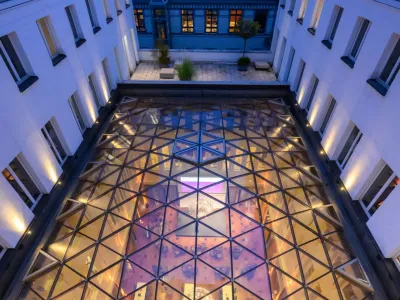
Festival of Ideas
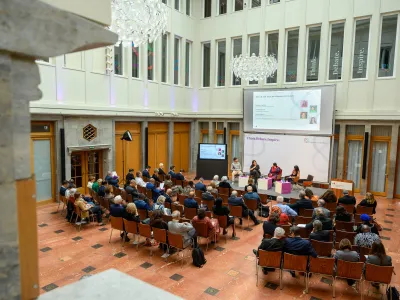
Academy Talks
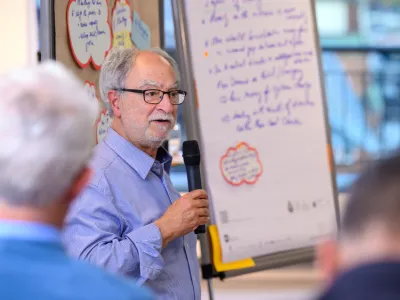
Round Tables
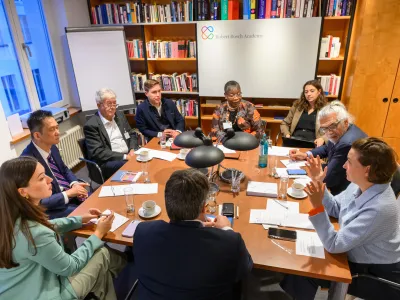
Panel Discussions
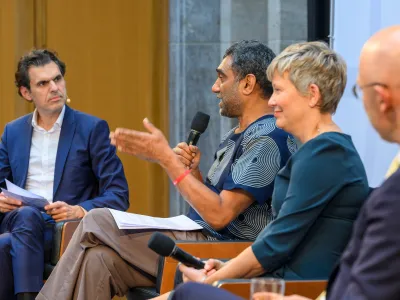
How can we build partnerships across borders and divides? This question guides this year’s Festival of Ideas at the Robert Bosch Academy.
The festival opens the Academy’s Richard von Weizsäcker Forum, welcoming the public to the Robert Bosch Stiftung at Französische Straße 32 in Berlin. Academy Talks, panel discussions, and round tables offer opportunities to engage directly with international experts.
Under the theme Forging Partnerships and Building Alliances, join around 100 international leaders from politics, academia, culture, business, and civil society to challenge assumptions and explore cooperation across divides. We look forward to welcoming you.
Festival of Ideas Program
All sessions are held at the Robert Bosch Stiftung, Französische Straße 32, 10117 Berlin.
Registration is required.
14:00–15:30

16:00–17:30

18:30–21:30
Side Event
11:00–12:00
Speakers
All Speakers of the Richard von Weizsäcker Forum 2026
-
Image
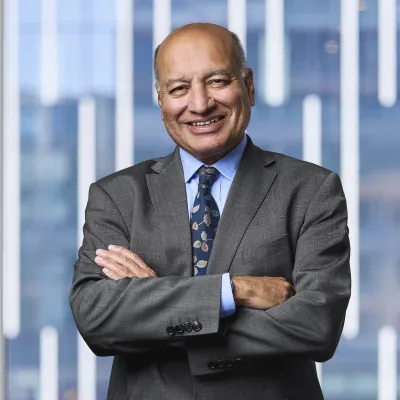 Suma Chakrabarti
Suma Chakrabarti is Chair of the Board of Trustees of ODI Global and a Richard von Weizsäcker Fellow at the Robert Bosch Academy (2026). He served as President of the European Bank for Reconstruction and Development from 2012 to 2020. His four decades in public service span UK government and international development finance.
-
Image
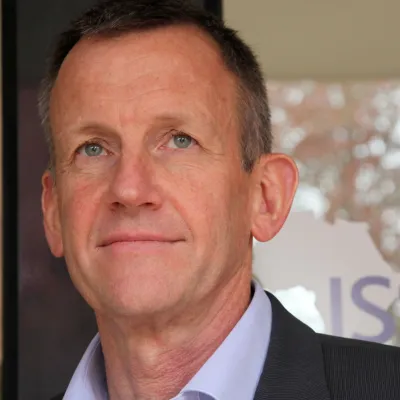 Jakkie Cilliers
Jakkie Cilliers is Chairman of the Board of Trustees and Head of the African Futures and Innovation program at the Institute for Security Studies (ISS) in Pretoria, which he founded. He is also an Extraordinary Professor at the University of Pretoria. His work covers African security, long-term forecasting, and defense policy.
-
Image
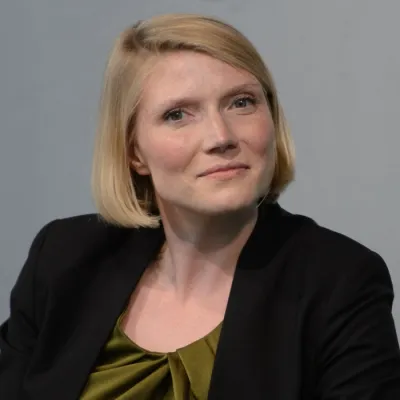 Cathryn Clüver Ashbrook
Cathryn Clüver Ashbrook is a German-American political scientist and Executive Vice President at the Bertelsmann Stiftung. She previously served as Director and CEO of the German Council on Foreign Relations (DGAP) and founded the Future of Diplomacy Project at Harvard Kennedy School. Her expertise covers transatlantic relations, technology policy, and diplomacy.
-
Image
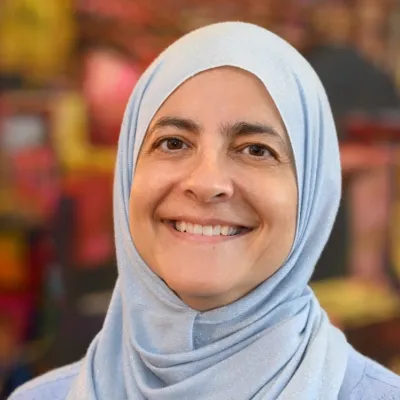 Rana Dajani
Rana Dajani is a molecular biologist, social entrepreneur, and Professor of Biology at the Hashemite University in Jordan. She is the founder of We Love Reading, a grassroots initiative that fosters a lifelong love of reading in underserved communities. Her work links science, education, and social change.
-
Image
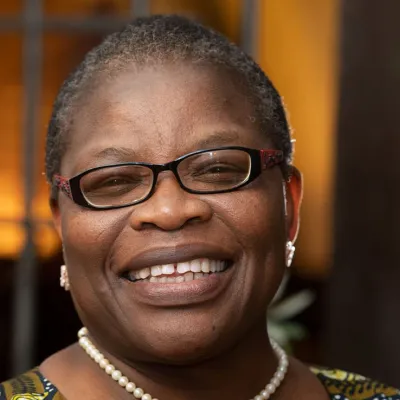 Obiageli Ezekwesili
Obiageli "Oby" Katryn Ezekwesili is an economic policy expert and Senior Economic Advisor at the Africa Economic Development Policy Initiative (AEDPI). She served as Vice President for Africa at the World Bank and as Nigeria's Minister of Education, and was a candidate for the presidency of Nigeria in 2019. She co-founded the #BringBackOurGirls and #RedCardMovement campaigns.
-
Image
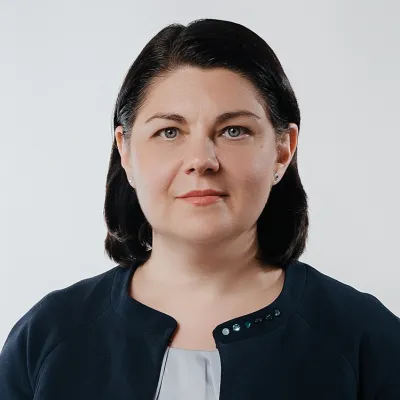 Natalia Gavrilita
Natalia Gavrilița served as the 15th Prime Minister of the Republic of Moldova and is co-founder and Director of Partnerships for New Economy, a think tank focused on Moldova's EU integration. She sits on the Supervisory Board of Moldova's National Bank and the board of the European Council on Foreign Relations. Her field is development economics and governance reform.
-
Image
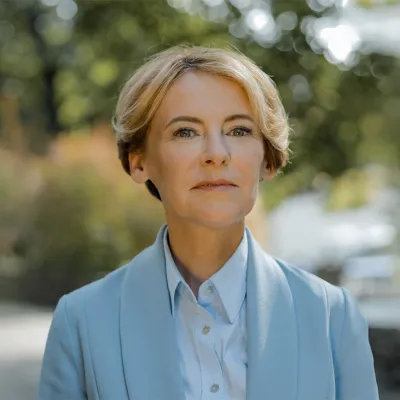 Marija Golubeva
Marija Golubeva is a historian, analyst, and former Minister of the Interior of Latvia. She works on hybrid warfare, disinformation, and European security resilience. Her focus is how open societies defend themselves against sabotage and the deliberate erosion of civic trust.
-
Image
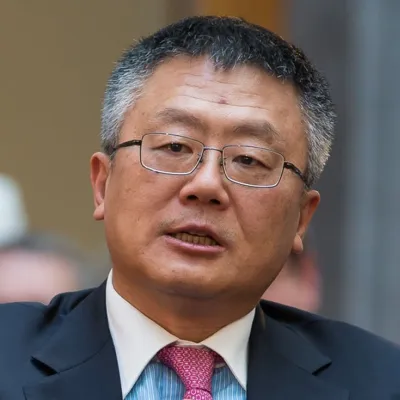 Huang Jing
Huang Jing is Professor and Director of the Institute of the U.S. and Pacific Studies at Shanghai International Studies University. He previously held professorships in Beijing and Singapore. His research covers Chinese foreign policy, US–China relations, and Asia-Pacific security.
-
Image
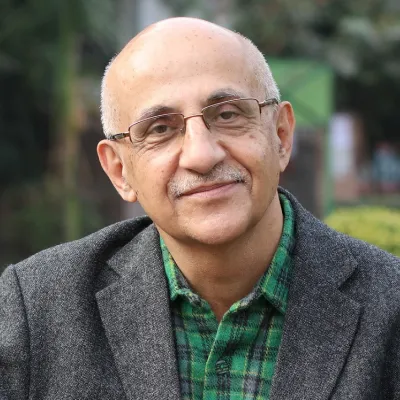 Harsh Mander
Harsh Mander is a human rights and peace activist, writer, and Director of the Centre for Equity Studies in Delhi, a research center on social and economic justice. He founded Karwan-e-Mohabbat (Caravan of Love), a solidarity campaign with victims of hate violence. He previously served on India's National Advisory Council.
-
Image
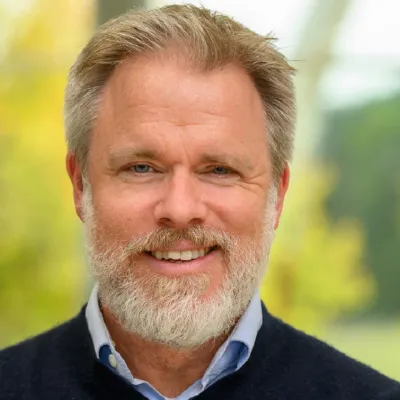 Robert Muggah
Robert Muggah is a Canadian political scientist, urbanist, and global security expert, and co-founder of the Igarapé Institute in Brazil and the SecDev Group. His work addresses the intersections of urbanization, cybersecurity, climate change, and crime prevention. He advises governments and international organizations on urban security.
-
Image
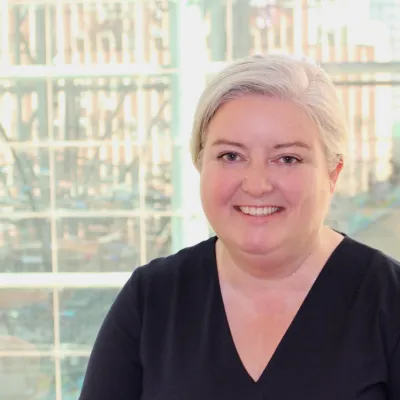 Cathy Mulligan
Cathy Mulligan is an expert in digital technology and the digital economy, known for her work on blockchain, telecommunications, and sustainable development. She has held research posts at Imperial College London and advised the United Nations on digital cooperation. Her focus is digital sustainability and how value is distributed in data economies.
-
Image
 Kumi Naidoo
Kumi Naidoo is a South African human rights and environmental justice activist and President of the Fossil Fuel Non-Proliferation Treaty Initiative. He was the first person from the Global South to lead Greenpeace International and later served as Secretary General of Amnesty International. He began his career as an anti-apartheid organizer.
-
Image
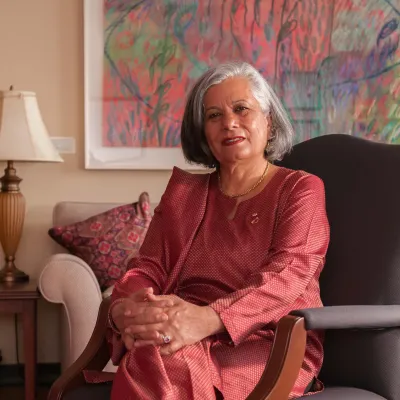 Ratna Omidvar
The Honourable Ratna Omidvar has built and led organizations at the intersection of civil society, policy, and research, all aimed at improving immigrants' access to education and the labor market, and she served in the Senate of Canada. She was appointed to the Order of Canada in 2011. She received the Cross of the Order of Merit of the Federal Republic of Germany in 2014 in recognition of her work on behalf of immigrants and integration.
-
Image
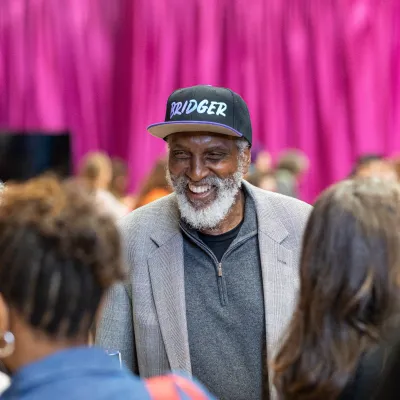 john a. powell
john a. powell is a law professor and Director of the Othering & Belonging Institute at the University of California, Berkeley. Born in Detroit, his experience of poverty and segregation shaped a career advocating human rights, equality, and diversity. He argues that bridging narratives are essential to countering the authoritarian challenge to democracy.
-
Image
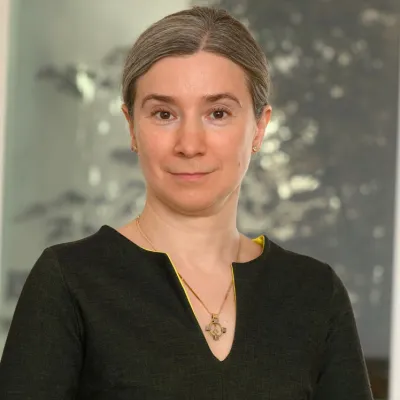 Ekaterina Schulmann
Ekaterina Schulmann is a political scientist specializing in the legislative process in modern Russia, parliamentarism, and decision-making in hybrid political regimes. She is associated with the Carnegie Russia Eurasia Center in Berlin and teaches at the Freie Universität Berlin. She is a widely followed commentator on Russian politics.
-
Image
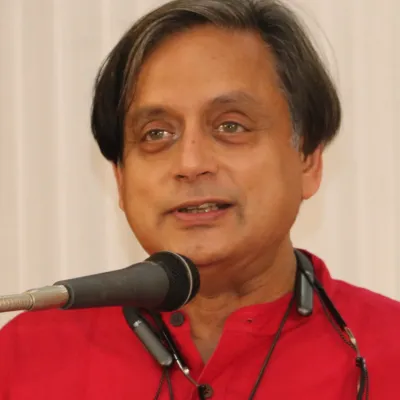 Dr. Shashi Tharoor
Dr. Shashi Tharoor is an Indian author, politician, and former diplomat, and Member of Parliament for Thiruvananthapuram. He served as UN Under-Secretary-General for Communications and Public Information and as India's Minister of State for External Affairs. He has written more than twenty books on India, history, and international affairs.
-
Image
 Colleen Thouez
Colleen Thouez is Vice President of the National Association of Higher Education Systems (NASH), where she leads workforce development across America's public universities. She spent seventeen years at the United Nations and works to give cities a voice in global migration policy. She also co-founded a charity bringing Ukrainian children respite from war.
-
Image
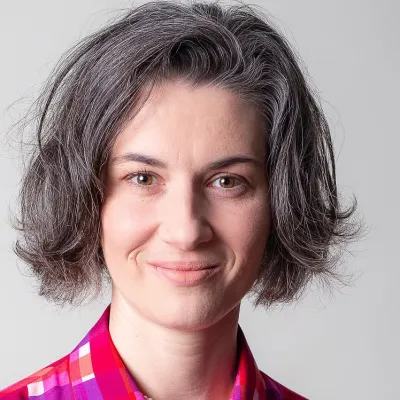 Karolina Wigura
Karolina Wigura is a historian of ideas, sociologist, and political editor of Kultura Liberalna, Poland's leading online political and cultural weekly. She is an Associate Professor at the University of Warsaw and a Senior Fellow at the Centre for Liberal Modernity in Berlin. Her work covers political philosophy, emotions in politics, and the ethics of memory.
FAQs on the Festival of Ideas
What is the Festival of Ideas?
The Festival of Ideas is held as the public portion of the Richard von Weizsäcker Forum. Every year, the Richard von Weizsäcker Forum brings together around 100 Richard von Weizsäcker Fellows, international leading figures from the worlds of politics, academia, culture, business, and civil society. It provides a space for open debate as well as for confidential conversations.
The Festival of Ideas, held on the first day of the Forum, will open up these exchanges to the public for the first time.
When and where does the Festival of Ideas take place?
Join us on Monday, 5 October 2026, starting at 14:00, and on Thursday, 8 October 2026, starting at 11:00, at the Robert Bosch Stiftung, Französische Straße 32, 10117 Berlin.
What is the program?
Monday, 5 October 2026
The afternoon sessions take place in two time slots, with a break in between. Sessions within each time slot run in parallel.
14:00–15:30
- Academy Talks
- Round Table: “Migration as a Bridge: Building Partnerships across Difference”
- Round Table: “Africa and Europe: Partnerships beyond Colonial Legacies”
16:00–17:30
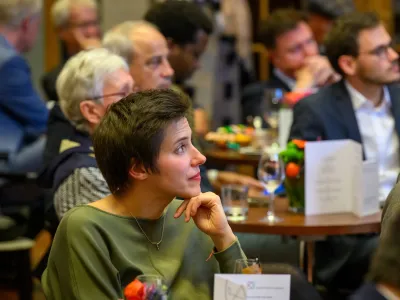
- Panel discussion: “When Winning Isn’t Enough: Identity, Power, and Movement-Building After the Ballot Box”
- Round Table: “The Future is in the Cities”
- Round Table: “Post-war Europe: Next Chapter in Solidarity”
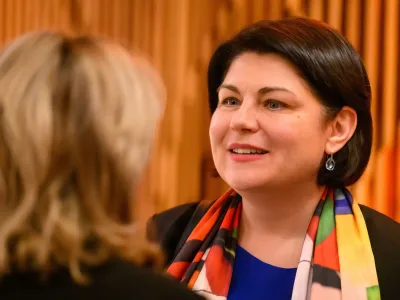
18:30
- Keynote address by Dr Shashi Tharoor: “The Middle Power Moment: Shaping the Future of Global Partnerships.”
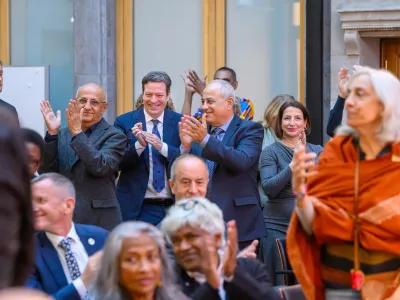
20:00
- Reception
Thursday, 8 October 2026
11:00
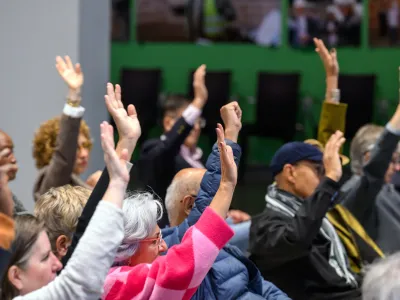
- Panel discussion: "Global Solidarity Compact"
What are Academy Talks?
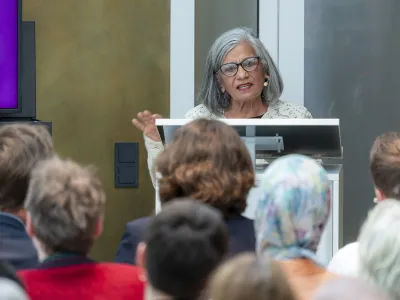
Academy Talks bring big ideas to life in just eight minutes. In engaging, TED-style presentations, world-renowned experts make complex global issues easy to understand – offering fresh perspectives and ideas to spark conversation.
This year's Academy Talks feature:
- Huang Jing on how Beijing sees the world;
- Cathryn Clüver Ashbrook on the future of American alliances;
- Catherine Mulligan on data, value, and technology as public goods;
- Rana Dajani on what evolution says about trust and cooperation;
- Ekaterina Schulmann on Russia from the inside;
- john a. powell on belonging without othering;
- Karolina Wigura on the legacy of 1989; and
- Kumi Naidoo on the climate emergency.
What is this year's theme?
This year's theme is "Forging Partnerships and Building Alliances."
The sessions approach this topic from a variety of angles and disciplines. Multilateral institutions and governments (both state and local, both large and small) are key parts of this discussion, but so too are different parts of civil society, companies, and individuals themselves.
Does the Festival of Ideas cost anything?
No. The Festival of Ideas is completely free of charge. We only ask that you register for your preferred sessions via this website.
Do I need to register?
Yes, please register via this website. Space is limited, and participation is subject to confirmation.
To comply with fire safety regulations and the building’s maximum occupancy limit, you may only attend sessions for which your place has been confirmed. Please leave the building after your confirmed session unless you also have a confirmed place in the next session.
I am a Richard von Weizsäcker Fellow. Do I need to register?
Yes, but please register using the conference app used for the overarching Richard von Weizsäcker Forum.
Can I bring someone?
Yes, but please make sure they register via this website.
Can I come for only one session?
Of course! You are welcome to attend the programming only for Block 1, Block 2, or the keynote or evening reception. Please indicate your preferred sessions while registering.
I registered, but my plans changed. How do I cancel my spot?
If you know you will no longer be able to attend, please cancel using the link provided in your confirmation email. This frees up a spot for someone on the waiting list.
Which sessions can I attend?
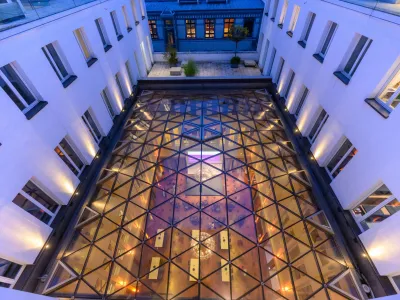
While all sessions are open to the public, space is limited. Academy Talks and the Podium Discussion will be held in the Atrium of the building. Round Tables provide a more intimate setting. All sessions are subject to confirmation. We will do our best to make sure as many people as possible can take part.
The Academy Talks and the Round Tables run at the same time. Can I attend both?
No. If you registered for both, you will receive confirmation only for one.
What if it is fully booked?
While we will do our best to make sure as many people as possible can participate, space is limited. Once we have reached capacity, a waiting list will open up. As soon as a spot opens up, we will notify you.
Who is the organizer?
The Festival of Ideas is an event organized by the Robert Bosch Academy. The Academy is an independent and nonpartisan institution of the Robert Bosch Stiftung. We provide a space for intellectual freedom and independent thinking. Through our Richard von Weizsäcker Fellowship, we bring outstanding thinkers and researchers to Berlin, giving them the chance to explore the questions that will shape tomorrow.
Learn more about the Robert Bosch Academy.