Festival of Ideas
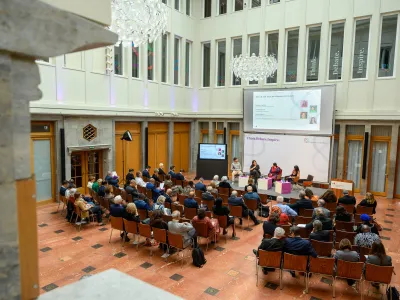
Academy Talks
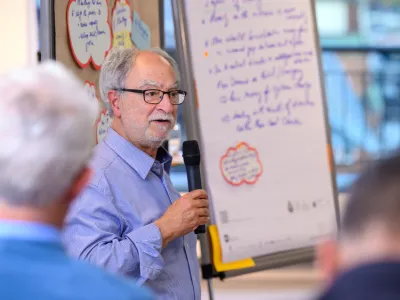
Round Tables
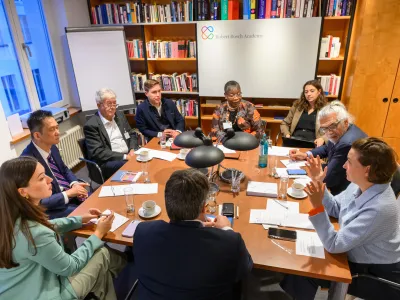
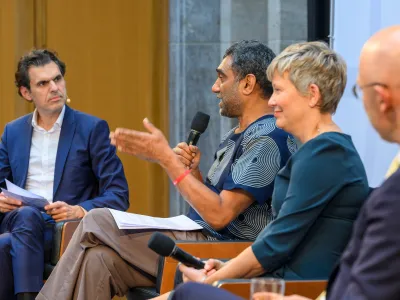
Panel Discussions
How can we build partnerships across borders and divides? This question guides this year’s Festival of Ideas at the Robert Bosch Academy.
The festival opens the Academy’s Richard von Weizsäcker Forum, welcoming the public to the Robert Bosch Stiftung at Französische Straße 32 in Berlin. Academy Talks, panel discussions, and round tables offer opportunities to engage directly with international experts.
Under the theme Forging Partnerships and Building Alliances, join around 100 international leaders from politics, academia, culture, business, and civil society to challenge assumptions and explore cooperation across divides. We look forward to welcoming you.
Beyond development: Can global solidarity reshape international cooperation?
The world is becoming more interconnected and at the same time more fragmented. Geopolitical rivalry, inequality, climate change, AI, and declining trust in multilateral institutions are putting established models of international cooperation under pressure. The development paradigm is outdated. So what is the right framework for addressing these challenges? Or do we need to rethink the very foundations of how countries and societies cooperate?
The Global Solidarity Compact, initiated by current Richard von Weizsäcker Fellows from around the world at the Robert Bosch Academy, starts from a simple but far-reaching question: What principles should shape international cooperation in the future? The initiative brings together ideas around human dignity, equal voice, justice, accountability, interdependence, and shared responsibility while also confronting difficult questions about power, sovereignty, democracy, and the limits of existing institutions.
In this public panel, we ask what it would take to move beyond development towards solidarity as a new paradigm for global cooperation. Can solidarity become more than a value? And how can it be translated into institutions, practices, and distributions of power? What would this mean for the UN, multilateral development banks, regional organizations, civil society, and other actors? And what would a truly inclusive global cooperation system look like in practice? Join us for a conversation about the principles, tensions, and possibilities of reimagining international cooperation.
Speakers
-
Image
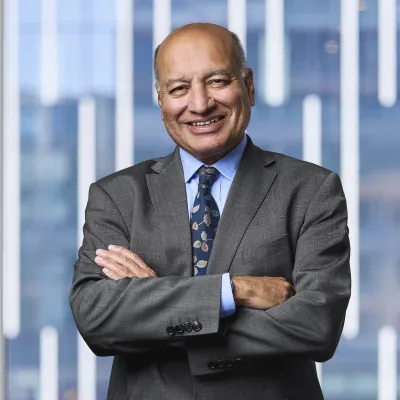 Suma Chakrabarti
Suma Chakrabarti is Chair of the Board of Trustees of ODI Global. He served as President of the European Bank for Reconstruction and Development from 2012 to 2020. His four decades in public service span UK government and international development finance.
-
Image
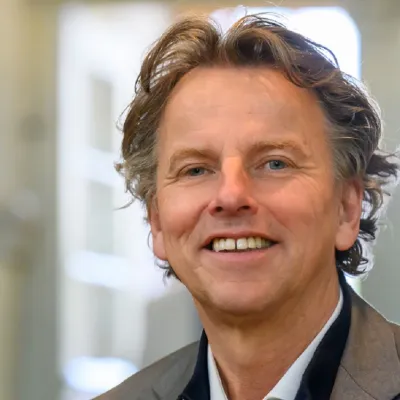 Bert Koenders
Bert Koenders currently holds the Kooijmans Chair of Peace, Security, and Law at Leiden University, Netherlands. He serves as President of the Dutch Advisory Council on International Affairs and Advisor to the World Bank. From 2019 to 2021, he acted as Special Envoy of the World Bank on fragile states.
-
Image
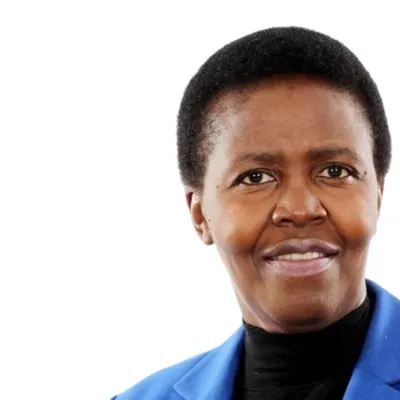 Lindiwe Sibanda
Lindiwe Sibanda is an animal scientist and a practicing farmer, serving as a policy advisor to numerous African governments and global institutions. She is chair of the CGIAR System Integrated Partnership Board and a non-executive member of the Nestlé Board where she serves on the Sustainability Committee and Creating Shared Value Council.
-
Image
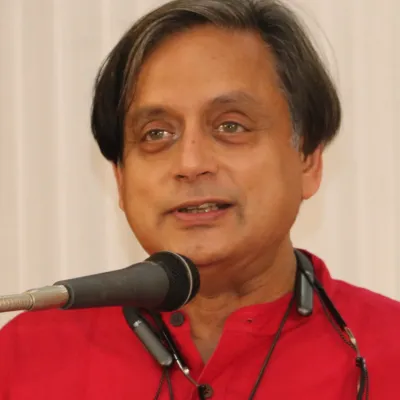 Shashi Tharoor
Shashi Tharoor is an Indian author, politician, and former diplomat, and Member of Parliament for Thiruvananthapuram. He served as UN Under-Secretary-General for Communications and Public Information and as India's Minister of State for External Affairs. He has written more than twenty books on India, history, and international affairs.
-
Image
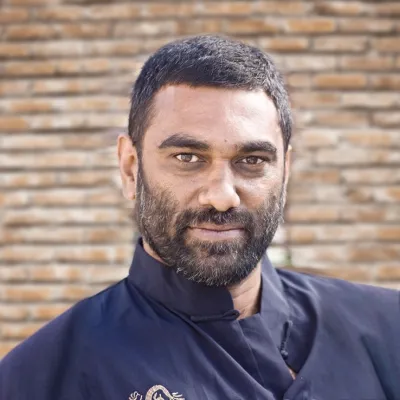 Kumi Naidoo
Kumi Naidoo is a South African human rights and environmental justice activist and President of the Fossil Fuel Non-Proliferation Treaty Initiative. He was the first person from the Global South to lead Greenpeace International and later served as Secretary General of Amnesty International. He began his career as an anti-apartheid organizer.