Richard von Weizsäcker Forum 2023
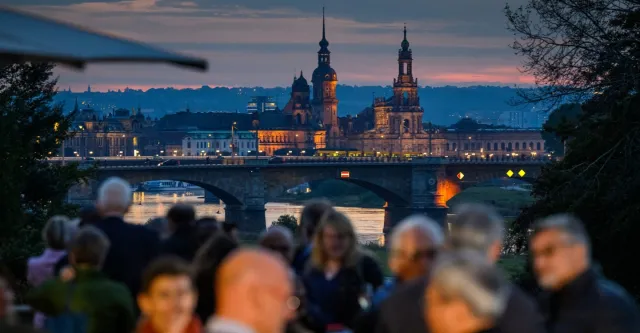
Political polarization around the world
Ivan Krastev: “The future is one of the biggest resources of democracy and the idea of a future under threat is one key element in political polarization. The future used to be a project, now it's only a projection of everything that worries us - with many obstacles and challenges like the rise of nationalism and climate change.”
Laura-Kristine Krause: “We need to learn again how to think about the future and how we as active citizens can shape it. The Covid-19 pandemic and also the current inflation make people again interested in politics and they realize that their vote has an impact. The problem is, the politicians have not made use of this momentum.”
Sarah Kups: “What we aim for is a skeptical trust in the political system. Citizens should recognize their active role but also preserve a critical attitude.”
A divided society in Germany
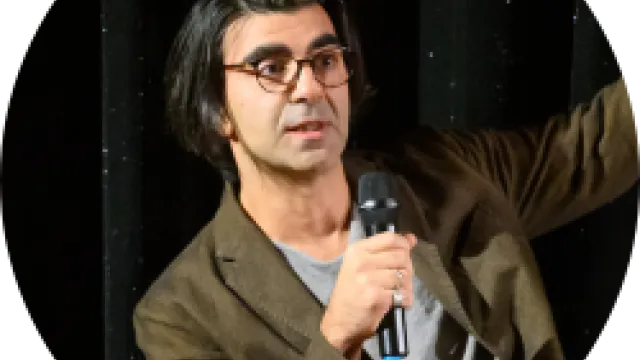
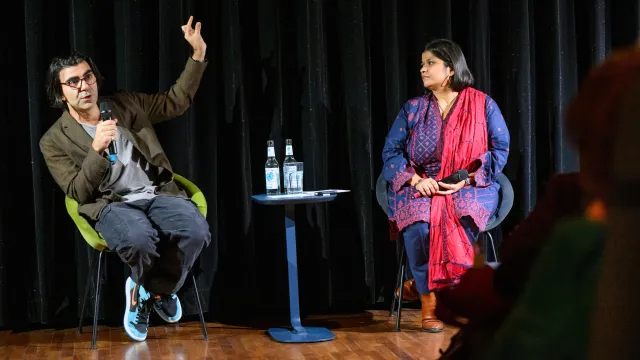
Fatih Akın: “It will take a least one generation of films, songs, literature, and theatre plays to be able to reflect on current problems with social cohesion like discrimination, and rising populism as well as questions of German Leitkultur.”
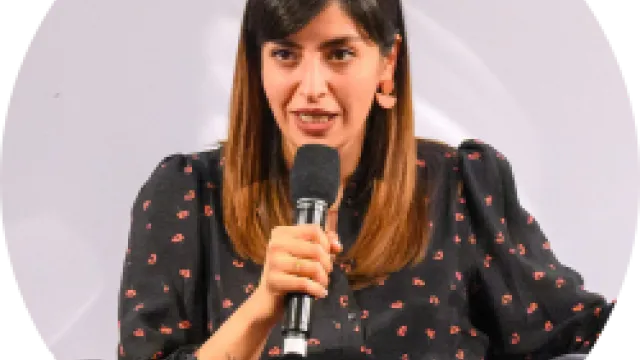
Rasha Nasr: “Politicians need to provide a vision. People need to know what we do and that we take our responsibility to guide this country seriously. And we need more politicians from eastern Germany because we know that representation matters.”
-
Image
-
Image
-
Image
-
Image
How the past shapes the presence
Caroline Förster:“Right-wing parties and conservatism create a perception of being guarantors for stability and security. In light of the rise of conservative political tendencies, an understanding of history becomes important like never before to remind us where right-wing extremism can lead us to.“
Markus Schlimbach: “Welfare is not only important for the economic force. More jobs in Saxony also have an impact on the societal development, diversity, and questions of migration.“
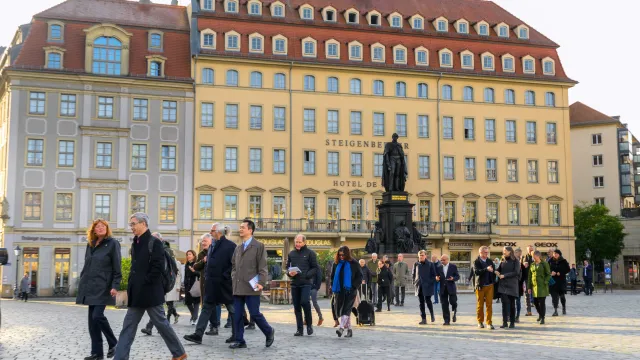
Polarized elections in Saxony 2024
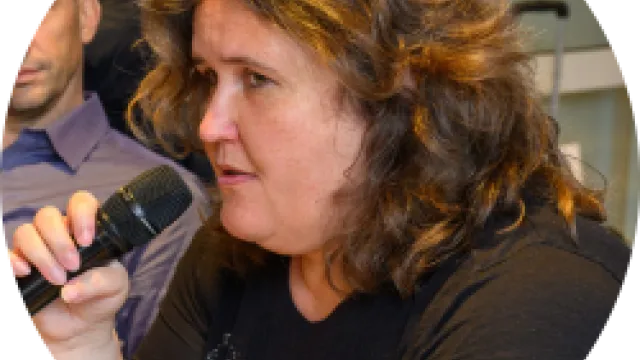
Annette Binninger: “Some people call us Lügenpresse (the lying press) and blame us for canceling out the voices on the far right. If I would write what some people from the far right want me to write – that our democracy has failed – it would be a lie and would also lay the ground of an end to our political system.”
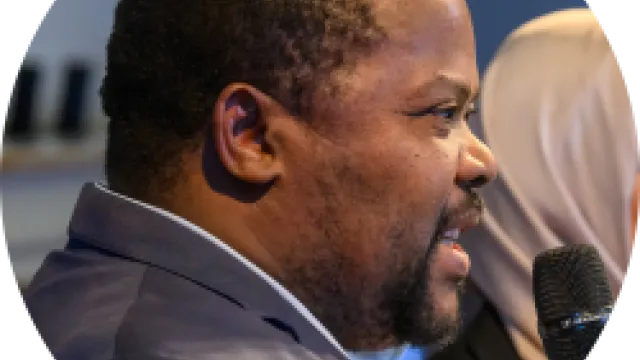
Emiliano Chamite: “We are working on many levels to support social cohesion and to help newcomers start their life in Dresden. But we also see that the bureaucratic obstacles are not moving forward and migration is still seen as a problem, whereas we see it as a chance.”
-
Image
-
Image
-
Image
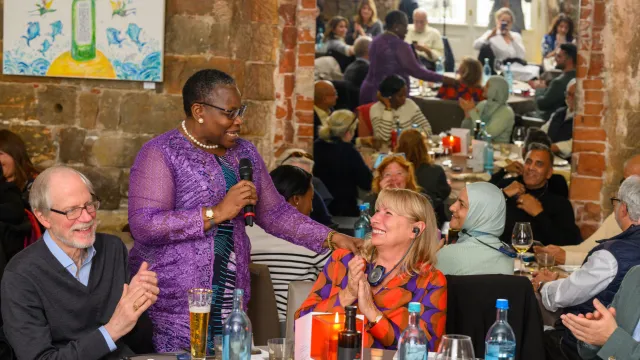
-
Image
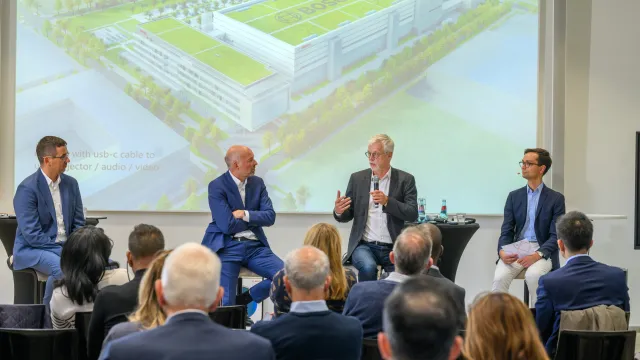
-
Image
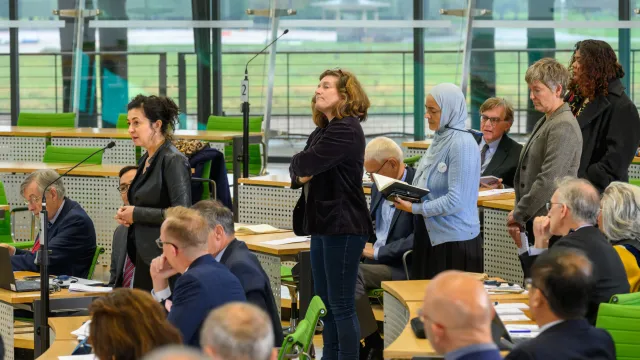
-
Image
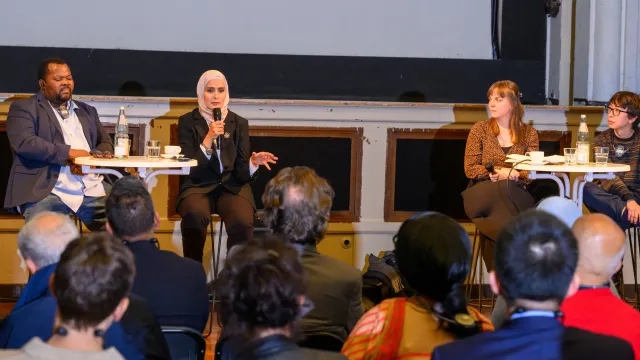
-
Image
Impressions of the Fellows
Ted Piccone, nonresident senior fellow, Brookings Institution: “This year’s Forum was unlike any other Robert Bosch Academy gathering I have attended since I first became engaged in 2017. Our colleagues expressed a more direct demand for moral leadership and political change during these very troubled times. This was sparked by the horrific events in Israel and Palestine but also by the tough issues of polarization and migration discussed in Saxony and Berlin. As I listened, I was reminded again of the fundamental values and principles that should guide our communities – dignity, equality, justice and our common humanity. Yet too often we fail to live up to these standards and fall into traps of realpolitik and self-interest. The Forum clarified for me what really matters when it comes to our common pursuit of peace and democracy and underscored the respect we owe each other even when we disagree.”
Anasuya Sengupta, Co-Director and co-founder of Whose Knowledge?: “As a first time participant in the Forum, especially at a time of such deep political crisis in the world, the theme of the Forum - polarisation and social cohesion - became embodied in very personal ways for me. At the same time, the care in the programming, the excellent people we were meeting both in Berlin and in Dresden, and the thoughtful conversations with them, helped make the connections between our different life experiences and the realities of German life. In particular, I was moved by the session with Fatih Akin, the film maker, and the session with Douha Al Fayyad, Emiliano Chaimite, and Paolo Le Van, describing their lives as people of colour in Saxony. Both these sessions bookended the experience of the Forum for me - the powerful ways in which a filmmaker like Fatih can turn his gaze to who and what is often unseen or invisible to those in privilege, and in turn, leaders like Douha, Emiliano, and Paolo can powerfully voice what is often unsaid or unheard by those in privilege. They marked the simultaneous celebration of difference and the sharing of a common humanity. They embodied hope and courage.”